The burger segment has become one of the most competitive and dynamic parts of the mobile food industry. What once revolved around simple roadside grills has transformed into a sophisticated ecosystem of burger trailers designed for speed, consistency, and premium-quality output. Today’s burger food trailer is no longer a compromise between mobility and quality—it is often the smartest business format available.
This shift explains the growing interest in a professionally built burger food trailer for sale, especially among operators who want to avoid the limitations of a traditional food truck while retaining flexibility and scalability.
The Early Days of the Hamburger Trailer
In its early form, the hamburger trailer was built around simplicity. Limited menus, basic equipment, and fast turnover defined the model. The goal was to serve as many customers as possible with minimal overhead. While effective, these setups left little room for creativity, menu expansion, or brand differentiation.
As customer expectations changed, these basic trailers could no longer keep up. Demand for higher-quality ingredients, customization, and consistent flavor pushed operators to rethink how a burger trailer should be designed and equipped.
Smash Burgers as a Turning Point
The rise of smash burgers marked a major turning point for burger trailers. Smash-style cooking requires precise heat control, durable flat-top grills, and efficient assembly workflows. This forced trailer designs to evolve from improvised kitchens into purpose-built systems.
Smash burgers also demonstrated that speed and quality could coexist. Their popularity proved that a compact trailer could deliver restaurant-level results, encouraging more entrepreneurs to invest in modern burger trailers rather than outdated food truck layouts.
Why Burger Trailers Outperform Food Trucks
While food trucks remain popular, many operators now prefer burger trailers for practical reasons. Trailers eliminate engine-related maintenance, reduce upfront costs, and allow for greater freedom in kitchen layout. This is particularly important for burger concepts, where grill placement, ventilation, and refrigeration directly affect output.
For anyone evaluating a burger trailer for sale, trailers offer long-term operational stability. They can be paired with different tow vehicles, relocated easily, and upgraded without replacing the entire unit—something far more difficult with a food truck.
From Classic Burgers to Gourmet Menus
Modern burger trailers are designed to handle far more than basic cheeseburgers. Gourmet menus featuring specialty beef blends, artisanal buns, house-made sauces, and plant-based options are now common. Supporting these menus requires advanced refrigeration, prep zones, and storage solutions.
A well-designed hamburger trailer allows operators to expand their menu without sacrificing service speed. This adaptability is essential in markets where trends shift quickly and customer expectations continue to rise.
Efficiency, Workflow, and High-Volume Service
Profitability in the burger segment depends heavily on volume. Successful burger trailers are engineered around efficient movement and clear task separation. Grill stations, prep areas, and service windows are arranged to minimize wasted motion and reduce staff fatigue.
This level of efficiency is one of the main reasons demand for a burger food trailer for sale continues to grow. Operators recognize that layout quality directly impacts daily revenue and long-term sustainability.
Branding and Customer Perception
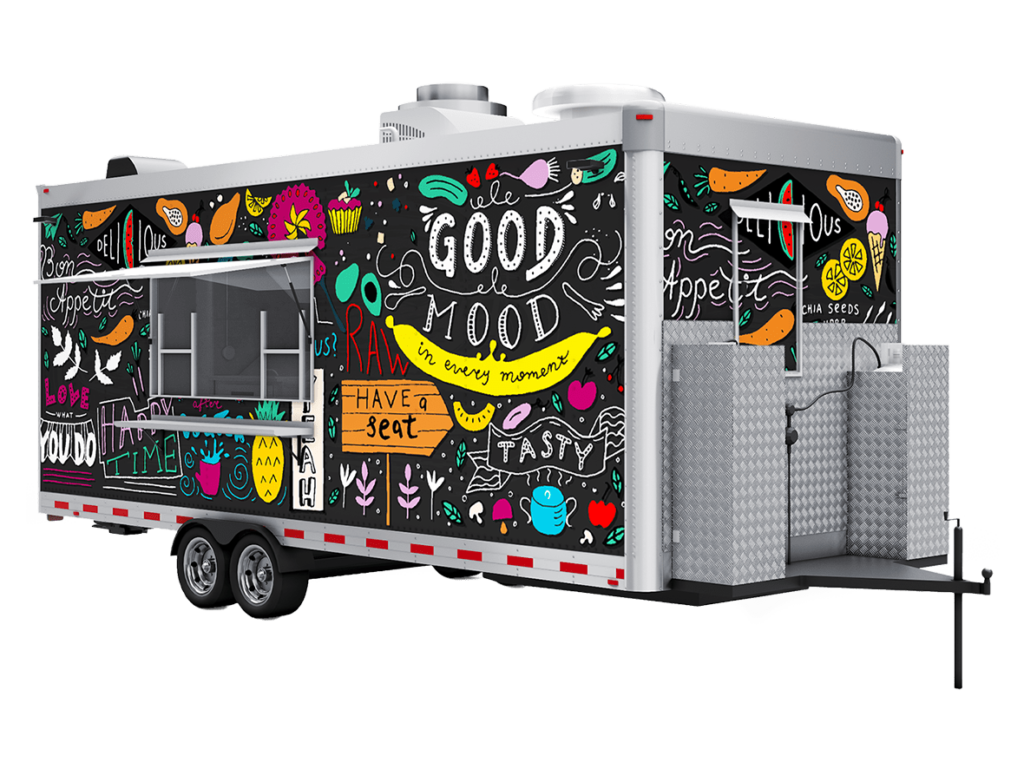
In today’s market, visual presentation is just as important as food quality. Burger trailers are increasingly designed with branding in mind, featuring clean exteriors, open kitchens, and layouts that invite customer engagement.
Working with experienced manufacturers like Golden State Trailers allows operators to create a burger trailer for sale that functions as both a production space and a marketing asset. A well-designed trailer builds trust, attracts foot traffic, and strengthens brand recognition.
Scalability and Long-Term Growth
One of the biggest advantages of burger trailers is scalability. A successful concept can expand by adding more trailers rather than investing in permanent locations. This model allows brands to test new markets, adjust pricing, and refine menus with lower risk.
For entrepreneurs planning long-term growth, choosing the right hamburger trailer from the start provides a foundation that supports expansion instead of limiting it.
The Future of Burger Food Trailers
Looking ahead, burger trailers will continue to evolve with technology, sustainability, and data-driven decision-making. Modular designs, energy-efficient equipment, and smarter inventory systems are becoming standard rather than optional.
From smash burgers to fully developed gourmet menus, burger trailers represent the future of mobile burger businesses. With the right design and execution, a burger trailer is no longer just a stepping stone—it is a complete, scalable business solution.
