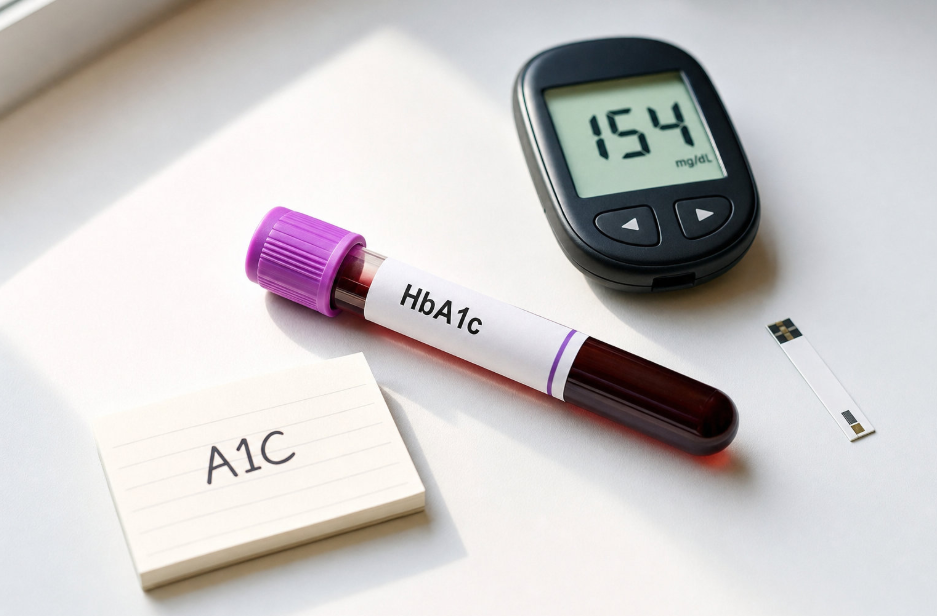
The A1C test is a fundamental tool in diabetes management because it offers a clear view of blood sugar trends over several months. By measuring the percentage of glycated hemoglobin in the blood, it helps patients and healthcare professionals assess the effectiveness of diabetes care strategies. Reviewing A1C results alongside daily records supports clearer decisions about long-term goals.
Tracking blood sugar levels over time is a critical aspect of managing diabetes effectively, and the A1C test is widely recognized for this purpose. Through the translation of a laboratory result into actionable information, tools like the A1C calculator Online allow individuals to compare HbA1c levels with routine readings. Reliable use of A1C testing not only helps in checking diabetes control but also guides adjustments to daily routines and medications as needed. Gaining a complete understanding of how A1C testing fits into long-term disease management can empower both patients and healthcare providers, especially when average blood glucose patterns are reviewed over time.
The science behind A1C testing and its role in diabetes care
The A1C, also known as the HbA1c test, measures HbA1c levels by showing the percentage of hemoglobin in the blood that has glucose attached to it. Red blood cells contain hemoglobin, and over their lifespan of about two to three months, glucose in the bloodstream binds to these molecules. This binding process is called glycation and it happens in everyone, with or without diabetes.
The key value of the A1C test lies in its ability to show how much glucose has been present in the blood over the past eight to twelve weeks, rather than just at a single moment. For example, an A1C of 7% indicates that approximately 7% of the hemoglobin is glycated, which conveys an average blood glucose level covering several months. This makes the test especially useful for monitoring long-term patterns and tracking how well diabetes management strategies are working.
Interpreting A1C results: What they mean for long-term blood sugar control
Understanding how to interpret A1C results is important for making informed choices about diabetes care. General reference ranges are used to categorize results: levels below 5.7% are considered normal for people without diabetes, readings between 5.7% and 6.4% signal prediabetes, and 6.5% or higher on two separate tests is usually indicative of diabetes. For people with diabetes, healthcare teams often recommend an A1C goal under 7% to help reduce the risk of long-term complications, though targets are always individualized based on age, health status, and the type of diabetes. Keeping blood sugar levels within a safer range is often the practical focus behind these targets.
These results offer meaningful feedback on the effectiveness of everyday choices and treatment changes. However, one must remember that certain medical conditions and factors, such as anemia or specific hemoglobin variations, can influence the accuracy of the test. Discussing A1C results with a healthcare professional ensures that interpretation is tailored and context-sensitive, and it also helps relate the findings to diabetes management priorities.
Connecting A1C percentages to daily life: Tools for understanding and tracking trends
The percentage result from an A1C test may feel abstract, especially when compared to the blood glucose numbers seen during routine finger-stick checks or readings from continuous glucose monitors. This is where digital tools such as the A1C to Blood Sugar Calculator bridge the gap. These calculators use equations grounded in research to convert A1C percentages into estimated average glucose (eAG) values, typically shown in mg/dL or mmol/L.
For example, an A1C of 7% generally corresponds to an average blood sugar of 154 mg/dL. An A1C calculator can support this interpretation by giving a quick estimate that complements lab reporting. This conversion makes laboratory results easier to relate to day-to-day experiences and supports clearer communication among patients, families, and healthcare teams. While these estimates are helpful, it is important to remember that individual variation and daily glucose fluctuations mean calculated values do not always mirror every detail of daily monitoring.
The importance of regular A1C monitoring and integrating results into diabetes management
Routine A1C testing, combined with regular self-monitoring, forms a strong foundation for effective diabetes management. Consistently tracking A1C offers a broad perspective on blood sugar control, allows early recognition of trends, and supports timely changes to diet, exercise, medication, or other aspects of care. Many people also find that tracking HbA1c levels over multiple visits provides a clearer picture than isolated readings.
By supplementing direct glucose measurements with periodic A1C assessments and using calculator tools to interpret these results, both patients and clinicians can develop more informed and effective strategies for long-term health. An A1C calculator can help relate lab outcomes to average blood glucose in a way that supports discussion and planning. This approach fosters steady improvement, promotes collaborative decision-making, and ensures that blood sugar levels and treatment goals remain both realistic and responsive to the individual’s evolving needs.
