Individuals often face the frustration of dull, lackluster skin and product buildup that obscures a natural radiance. Achieving a glowing complexion requires effectively removing dead cells without causing irritation or damage. A proper, well-formulated regimen addresses these concerns, transforming both the facial canvas and the scalp for optimal health.
How To Exfoliate For Glowing Skin With Rodan + Fields
The Technical Aspects of Sulfates
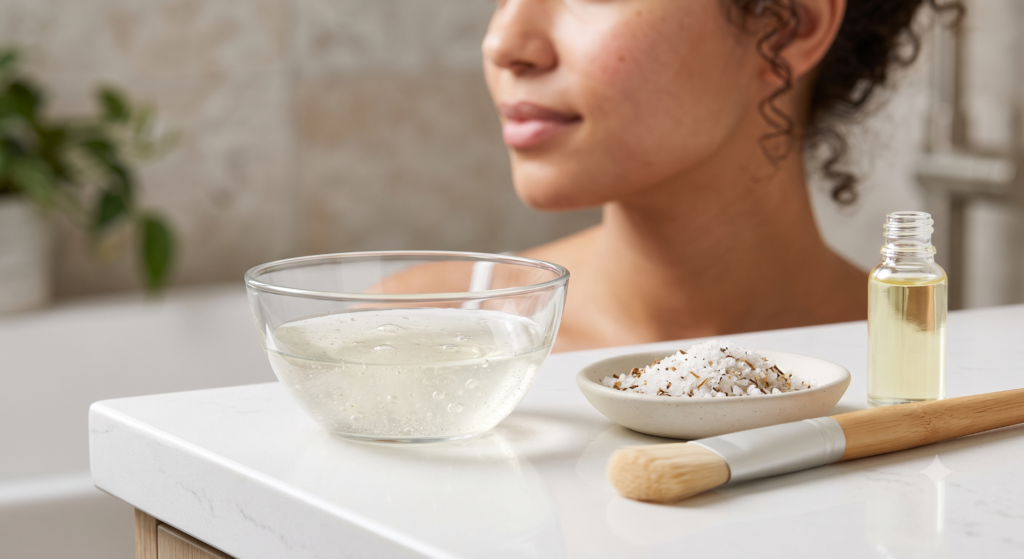
Sulfates operate as powerful surfactants in many traditional cleansing products, designed to create a heavy lather and dissolve oils. Chemically, these compounds attract both water and dirt, allowing deep-seated impurities to be rinsed away rapidly. This aggressive cleansing mechanism provides a squeaky-clean feeling but carries significant drawbacks for overall health.
Frequent use of harsh sulfate detergents can strip the skin and scalp of vital natural moisture. This stripping effect disrupts the delicate lipid barrier, leading to increased transepidermal water loss and potential inflammation. Consequently, a shift toward sulfate-free alternatives has become a standard recommendation for maintaining long-term barrier integrity.
Essential Exfoliation Checklist
Evaluating and selecting the proper exfoliating products requires strict attention to formulations. An effective regimen usually incorporates the following standards:
- Formulations feature gentle chemical exfoliants like alpha-hydroxy acids (AHAs) or beta-hydroxy acids (BHAs).
- Products omit harsh, jagged physical abrasives that cause micro-tears.
- Ingredients include soothing botanical agents such as aloe vera or chamomile to mitigate redness.
- The overall product maintains a balanced pH to support the natural acid mantle.
Tailoring Exfoliation by Specific Categories
Different biological profiles require customized approaches to maintain hydration while clearing away dead cells and buildup.
Dry/Damaged
For dry or compromised barriers, chemical exfoliants containing lactic acid offer gentle cell turnover while pulling moisture into the skin. Moisture-replenishing serums must immediately follow any treatment to prevent further drying.
Color-Treated
Those managing color-treated hair must utilize extremely mild scalp exfoliants to prevent accelerated color fading. Enzyme-based treatments provide an excellent alternative, dissolving scalp buildup without stripping away costly color molecules.
Curly/Coily
Individuals with curly or coily textures often experience product buildup from heavy styling creams and gels. Clarifying ingredients combined with intense hydrating oils ensure the follicles remain clear without sacrificing necessary curl moisture.
Sensitive Scalp
A sensitive scalp demands ultra-gentle, fragrance-free formulations to prevent flaking and contact dermatitis. Polyhydroxy acids (PHAs) provide optimal results in these cases, offering effective exfoliation with a much larger molecular size that limits deep, irritating penetration.
Exceptions to the Gentle Rule
While sulfate-free and ultra-gentle approaches dominate modern routines, certain situations demand stronger cleansing agents. Heavy, silicone-based styling products, hard water mineral deposits, or extreme environmental pollutants occasionally necessitate a traditional clarifying wash. These stronger treatments remain strictly occasional exceptions rather than daily habits.
When such aggressive cleansing occurs, the subsequent routine must focus heavily on barrier restoration. Immediate application of rich, ceramide-heavy masks ensures the temporary disruption does not become chronic damage.
The Science and Ingredients Behind the Glow
Cellular regeneration naturally slows with age, causing microscopic dead cells to accumulate on the biological surface. Active ingredients like glycolic acid and salicylic acid work by dissolving the lipid bonds, or intercellular glue, holding these expired cells together.
By chemically breaking these bonds, the ingredients accelerate the natural shedding process. This scientifically proven mechanism reveals the newer, healthier, and more luminous layers beneath, restoring a youthful appearance.
Specific Advice for Long-Term Success
Maintaining an effective routine requires consistency and careful observation of biological responses.
Frequency and Moderation
Exfoliating too often degrades the protective barrier and triggers excess oil production. Experts generally recommend limiting these treatments to two or three times per week, depending on individual tolerance levels.
Sun Protection Protocols
Removing the top layer of dead cells leaves the fresh layers highly vulnerable to ultraviolet radiation. Applying a broad-spectrum sunscreen becomes absolutely critical during the daytime following any chemical or physical exfoliation.
The Optimal Wash Routine
Establishing a methodical process ensures active ingredients perform efficiently without causing unnecessary stress.
- The routine begins by thoroughly wetting the targeted area with lukewarm water to soften the surface.
- A gentle, sulfate-free cleanser removes superficial dirt, makeup, and daily environmental pollutants.
- The selected exfoliant is applied and manipulated using very light, upward circular motions.
- The area is rinsed completely with cool water to soothe the skin and close the cuticles.
- A barrier-repairing moisturizer is applied instantly to damp skin to lock in vital hydration.
