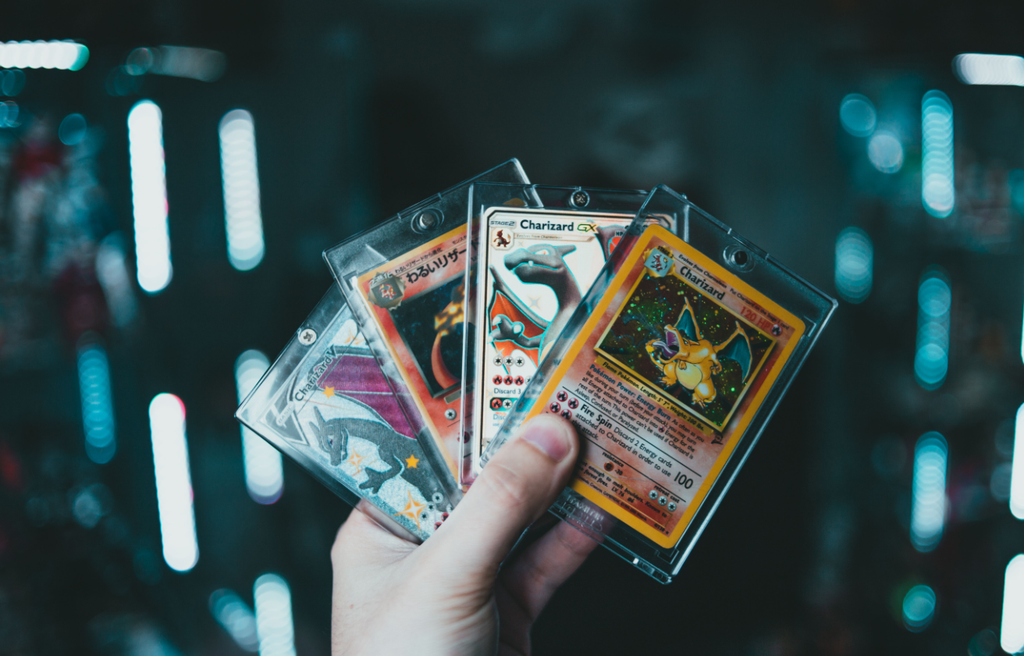
A few years ago, the idea of treating Pokémon cards like an investment might have sounded strange. For many people, they were childhood collectibles kept in binders, traded in schoolyards or forgotten in old boxes at home. But things have changed.
Today, the conversation is a bit different. Instead of kids collecting Pokémon cards and showing them to their friends and foes at school, adults are appearing in major auction houses to get rare collectibles. Now, grading data is tracked like market intelligence, and some collectors talk about sealed boxes and PSA 10 cards with the same seriousness others reserve for watches, sneakers or fine wine.
As interest has continued to grow, so too has the level of analysis around the market. Collectors now track sales data, monitor grading populations and compare historical price movements in ways that resemble traditional asset classes. Platforms such as cardtrack.com have also emerged to help buyers and sellers follow these shifts more clearly, adding a layer of data-driven insight to what was once an informal collecting space.
Grading has created market structure
Professional grading is one of the biggest reasons Pokémon cards can now be discussed as alternative assets. While a raw card can be difficult to value because condition is subjective, a graded card gives buyers a clearer framework. The label confirms the card, assigns a condition grade and creates a population count that helps collectors understand scarcity.
It’s interesting to note that grading demand has exploded. GemRate data reported that trading card game and non-sports cards made up 59% of all cards graded by major authenticators in the first half of 2025. Pokémon also accounted for 97 of the top 100 cards graded by PSA during that period. By 2026, GemRate’s live dashboard showed PSA grading activity running at a recent annualized pace of nearly 30 million items.
This level of grading activity gives the market more transparency, but it also creates a new risk. When too many copies of a modern card receive high grades, scarcity can disappear quickly. A PSA 10 label only creates strong value when demand remains high and the graded population is limited enough to matter.
Auction records have changed the conversation
High-profile sales have helped push Pokémon cards into the alternative-asset discussion. In February 2026, Logan Paul’s PSA 10 Pikachu Illustrator card sold for $16.5 million at Goldin Auctions, setting a record for any trading card sold at auction. The card was already famous because of its rarity, condition and public visibility, but the sale gave the wider market a headline that was hard to ignore.
In March 2026, Heritage Auctions also reported strong Pokémon results. For instance, a PSA Mint 9 Pikachu Illustrator sold for $1.4 million, while a complete PSA 10 Pokémon Skyridge Master Set achieved more than $1.2 million. Additionally, a first-edition Base Set Charizard in PSA 10 sold for $550,000 at the same event.
However, you should not confuse these prices with an average collector’s normal prices. They represent the extreme top of the market. Still, they matter because they show that rare Pokémon cards can attract serious capital, auction-house competition and global buyer attention. That is one of the things that separates an ordinary hobby from a mature collectibles market.
In a press release, Heritage Auctions Trading Card Games Managing Director Jesus Garcia described Pokémon as “no longer just a kids’ game.” The director linked the market’s growth to nostalgia and millennial buyers who now have more spending power. That is a useful way to understand the current cycle. Many of today’s buyers grew up with Pokémon in the late 1990s and early 2000s. Now they are adults with income, digital price tools and access to global marketplaces.
Liquidity is better than many collectibles, but still uneven
One reason Pokémon cards appeal to alternative-asset buyers is liquidity. Compared with some collectibles, they are relatively easy to price, list and sell. Well, platforms such as eBay, TCGplayer, Card Ladder, PWCC, Goldin and Heritage have made it easier to compare recent sales and understand market ranges.
eBay’s 2025 collectibles report showed how active the secondary market has become. The highest-value trading card game single sold on eBay from January to September 2025 was a Pokémon Charizard Base Set Shadowless First Edition Holo Rare PSA 10, which sold for more than $270,000. That kind of public sales data helps buyers and sellers anchor value more clearly.
However, liquidity is not equal across the market. For instance, blue-chip cards, vintage sealed products and famous characters such as Pikachu, Charizard, Umbreon and Lugia usually attract more buyers. However, lesser-known cards may be harder to sell, especially after the hype fades. Well, a card can look valuable on a price-tracking app, but if few buyers are willing to pay that price, the value is less reliable than it appears.
Pokémon cards can be legitimate alternative assets, but only when buyers understand rarity, grading, liquidity and demand. While the strongest cards now attract serious money and data-driven analysis, most remain collectibles first. And if you are a new buyer, careful research matters more than hype, because value depends on scarcity, condition and lasting interest.
