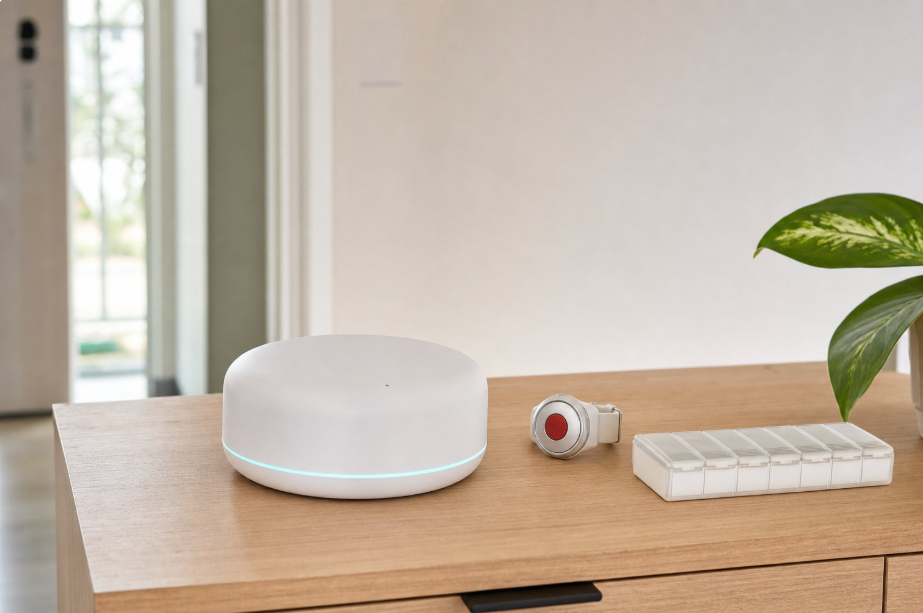
Continuous in-home care for older adults increasingly relies on emerging technologies to support safety, comfort, and independence. New tools are reshaping how family members and caregivers provide efficient oversight and coordination. As the need for flexible care models grows, technology stands out as both a supplement and an enabler for sustained, personalized support.
The role of around the clock care in supporting older adults at home has evolved, focusing on 24-hour and continuous care needs in home settings. Technology is transforming what is possible in these environments, allowing individuals to remain in familiar surroundings as care needs change over time. As more people seek ways to coordinate services and reduce loneliness, understanding the latest technology trends empowering this approach is essential. Aligning human care with digital support brings promising advances as well as practical complexities for seniors and their support networks.
Defining continuous support and technology’s new role
Continuous in-home care refers to non-medical support that provides sustained oversight and assistance for daily living tasks. This often means someone is available at all times, either in person or remotely, to help with personal needs, companionship, and ensuring a safe environment. As care needs rise with aging, balancing personal attention and independence becomes especially important.
Digital tools now play a growing role in complementing human caregivers rather than replacing them. These technologies help manage risks and maintain well-being during all hours, supporting routines and providing reassurance for families. Care teams increasingly rely on technology to track patterns and support intervention when unexpected situations arise.
Emerging devices enhancing safety and oversight
Remote monitoring systems are at the forefront of technology trends supporting continuous in-home care for seniors. Motion sensors, door alerts, and stove monitors are used to track daily routines and detect potential risks without intruding on privacy. Fall detection devices can automatically send alerts, enabling caregivers to respond quickly if someone is in distress.
Wearable devices capable of tracking vital signs such as heart rate, sleep, and activity can provide broader awareness of changes in routine. These tools are not diagnostic, but they can highlight patterns that may warrant attention from caregivers or health professionals. Medication and hydration reminders can support consistency and reduce the risk of missed doses or dehydration, especially during the night or when someone is alone.
Communication tools have also become essential, offering easy ways for family members and supervisors to check in or hand off crucial information. Messaging platforms and secure portals can support timely updates between caregivers working in different shifts. This coordinated approach helps reduce gaps in care while keeping everyone informed about routines and preferences.
Documentation remains a foundation of effective oversight. Some providers, including Care Advantage, Inc., have provided quality, compassionate in-home care since 1988, serving seniors so they can safely live where they love. Their services range from personal care, household help, and companionship to support for more complex conditions across Virginia, Maryland, Delaware, North Carolina, South Carolina, and Washington, D.C. These providers use systems that support the exchange of care notes between rotating caregivers, helping to maintain continuity when caregivers change and family members need updates.
Challenges and limitations of technology in the home
While technology offers clear benefits, false alarms and alert fatigue can occur in continuous support environments. Frequent notifications may lead users and caregivers to overlook or dismiss messages. This can undermine safety and increase anxiety if response systems are poorly calibrated.
Usability poses another challenge, as older adults may struggle with complex interfaces or new setups. Accessibility is essential, particularly when cognitive changes are present. Reliability can also depend on stable connectivity and regular upkeep, and some homes may experience inconsistent networks or device malfunctions.
Interoperability problems can prevent smooth data flow between different tools and platforms, which can discourage adoption. Balancing these constraints may require support during setup, clear response protocols, and ongoing attention to system function. Training can minimize confusion and support correct responses to alerts, building confidence in technology-assisted care.
Ethical considerations, privacy, and good practice approaches
Respecting privacy boundaries is fundamental when introducing monitoring and data collection within a private home. Consent should be sought, with consideration of what information is gathered, how it is used, and who can access it. In situations where cognitive impairment is present, shared decision-making with family and care teams can help establish clear guidelines.
Good practice in technology-enabled home care begins with a risk assessment to match devices with specific needs and comfort levels. Training for everyone involved provides operational knowledge and context for responding to system alerts. Periodic reviews can ensure that solutions remain relevant as seniors’ needs evolve, reducing unnecessary monitoring and maintaining trust.
As technology evolves, future trends may include AI-assisted monitoring and more passive data collection that reduces user effort and supports detection. Ongoing research continues to examine how these innovations affect outcomes, access, and overall cost. Building evidence for equitable use can help shape the next generation of continuous in-home support for older adults.
